Hillaw: Elevating Brand Identity with Whimsical Handwritten Typography
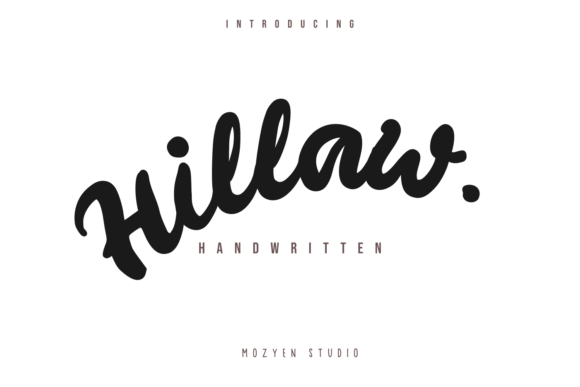
In the rapidly evolving landscape of digital design and brand communication, typography has transcended its traditional role as a mere vessel for text. It has become a primary vehicle for emotional connection, brand personality, and user engagement. Amidst this shift, Hillaw has emerged as a distinctive choice for creators seeking to balance professionalism with approachability. As a cool, whimsical, and brushed handwritten font, Hillaw offers a unique aesthetic that is both thick-lettered and undeniably cute. Its ability to make designs look lovely and neat positions it as a versatile tool for modern visual storytelling.
The rise of fonts like Hillaw reflects a broader cultural movement away from sterile, corporate minimalism toward more human-centric, authentic design languages. Professionals, entrepreneurs, and marketers are increasingly recognizing that audiences crave warmth and relatability. This article explores the strategic value of Hillaw, examining how its versatile style fits into current creative trends and why it is becoming a staple in the workflows of forward-thinking designers.
The Psychology of Handwritten Typography in Modern Branding
To understand the impact of Hillaw, one must first appreciate the psychological weight of handwritten typography. In an era dominated by algorithmic precision and automated interactions, handwritten fonts serve as a digital proxy for human touch. They signal authenticity, creativity, and personal care. Hillaw, with its brushed texture and thick letterforms, captures this sentiment without sacrificing legibility or structure.
Unlike chaotic or overly decorative scripts that can hinder readability, Hillaw maintains a neat and organized appearance. This balance is crucial for businesses that want to appear friendly yet competent. For freelancers and small business owners, using a font like Hillaw can help bridge the gap between being perceived as a "small operation" and a "boutique professional service." It suggests that while the brand is accessible and personable, it also pays attention to detail and quality.
The whimsical nature of Hillaw does not imply immaturity. Instead, it invokes a sense of playfulness and innovation. This is particularly relevant in industries such as education, lifestyle, wellness, and creative services, where engaging the audience’s emotions is as important as conveying information. By integrating Hillaw into their visual identity, brands can create an immediate sense of familiarity and trust.
Versatility Across Design Mediums
One of the most compelling aspects of Hillaw is its incredible versatility. While many handwritten fonts are restricted to specific use cases due to legibility issues or stylistic extremes, Hillaw adapts seamlessly across various mediums. This adaptability makes it a valuable asset for creators who need a consistent typographic voice across multiple platforms.
Digital Marketing and Social Media
In the fast-paced world of social media, capturing attention within seconds is paramount. Hillaw’s thick, bold strokes ensure that headlines and key messages stand out even on small mobile screens. Whether used for Instagram story overlays, Pinterest graphics, or Facebook ad creatives, the font’s cute and lovely aesthetic encourages higher engagement rates. Users are more likely to pause and read content that feels inviting rather than aggressive.
Moreover, the brushed texture of Hillaw adds a layer of visual interest that flat, sans-serif fonts often lack. This texture mimics the imperfections of real ink on paper, creating a tactile experience in a digital space. For marketers, this means creating content that feels less like an advertisement and more like a personal recommendation from a friend.
Packaging and Product Design
For entrepreneurs launching physical products, packaging is a critical touchpoint. Hillaw excels in this domain, particularly for brands in the food, beverage, beauty, and artisanal sectors. The font’s neat structure allows it to work well on labels, where space may be limited, while its whimsical character enhances the perceived value of the product. A jar of homemade jam or a handcrafted candle labeled with Hillaw immediately communicates craftsmanship and care.
The font’s ability to look "lovely and neat" ensures that packaging remains professional even when employing a casual style. This is essential for maintaining brand credibility while appealing to consumers who prioritize authenticity and ethical production values.
Web Design and User Interface Elements
While handwritten fonts are traditionally avoided in body copy due to readability concerns, Hillaw’s clear letterforms make it suitable for specific web design elements. It is ideal for headers, call-to-action buttons, testimonials, and quotes. Using Hillaw in these contexts can break up the monotony of standard web typography and guide the user’s eye to important information.
Furthermore, the font’s compatibility with modern web technologies ensures that it renders consistently across different browsers and devices. This technical reliability is crucial for maintaining a polished user experience, reinforcing the brand’s commitment to quality.
Aligning with Contemporary Creative Trends
The popularity of Hillaw is not an isolated phenomenon but part of a larger trend toward "soft maximalism" and "warm minimalism" in design. These trends reject the cold austerity of mid-2010s flat design in favor of styles that incorporate texture, warmth, and personality. Hillaw fits squarely within this movement, offering a way to inject character into designs without overwhelming the viewer.
Additionally, the font aligns with the growing emphasis on inclusivity and accessibility in design. Its clear, thick letters are easier to read for individuals with visual impairments compared to thinner, more delicate scripts. By choosing Hillaw, designers are not only making an aesthetic choice but also a functional one that broadens their audience reach.
The trend toward personalized experiences also plays a significant role. Consumers today expect brands to speak directly to them, rather than broadcasting generic messages. Hillaw’s handwritten style facilitates this one-to-one communication feel, making each interaction seem tailored and special. This is particularly effective in email marketing, where subject lines and headers in Hillaw can significantly improve open rates and click-through rates.
Practical Applications for Professionals and Entrepreneurs
For professionals looking to integrate Hillaw into their workflow, understanding its best use cases is key to maximizing its impact. Here are several practical observations on how to leverage this font effectively:
- Brand Logos: Use Hillaw for logo types in industries that value creativity and approachability, such as coaching, consulting, and creative agencies. Pair it with a clean sans-serif for taglines to maintain balance.
- Event Invitations: The whimsical nature of Hillaw makes it perfect for wedding invitations, birthday parties, and corporate retreats. It sets a tone of celebration and ease.
- Educational Materials: Teachers and educational content creators can use Hillaw to make worksheets, posters, and digital lessons more engaging for students. Its cute appearance reduces anxiety and makes learning feel fun.
- Quote Graphics: Create shareable social media content featuring inspirational quotes. Hillaw’s brushed style adds artistic flair, encouraging users to save and share the content.
It is also important to consider pairing Hillaw with complementary fonts. Because Hillaw is thick and expressive, it pairs well with simple, neutral sans-serifs or light serifs. This contrast ensures that the design remains readable and visually harmonious. Avoid pairing it with other decorative fonts, as this can create visual clutter and diminish the impact of both typefaces.
The Future of Expressive Typography
As technology continues to advance, the demand for expressive, human-centered typography will only grow. Tools for customizing and implementing fonts like Hillaw are becoming more sophisticated, allowing for greater integration into dynamic web environments and interactive media. For creators, staying ahead of these trends means embracing fonts that offer both aesthetic appeal and functional versatility.
Hillaw represents a shift toward designs that prioritize emotional resonance. It acknowledges that in a crowded digital marketplace, being memorable is just as important as being informative. By adopting such fonts, professionals and entrepreneurs can differentiate their brands, connect more deeply with their audiences, and create spectacular designs that stand the test of time.
In conclusion, Hillaw is more than just a font; it is a strategic design tool that embodies the values of authenticity, warmth, and creativity. Its thick, cute, and neat characteristics make it an ideal choice for a wide range of applications, from digital marketing to product packaging. By understanding its psychological impact and practical applications, creators can leverage Hillaw to enhance their visual communication and achieve their business objectives. As the design landscape continues to evolve, fonts that bridge the gap between professionalism and personality will remain indispensable, and Hillaw is poised to lead this charge.
For those ready to elevate their design projects, exploring the capabilities of Hillaw is a step toward creating more engaging, human-centric, and visually compelling brand experiences. Whether you are a seasoned designer or a budding entrepreneur, incorporating this versatile font into your toolkit can unlock new possibilities for creative expression and audience connection.