Changer: Elevating Design with Authentic Brushed Handwritten Typography
In an era where digital interactions dominate our daily lives, the craving for authenticity has never been more pronounced. Consumers and audiences are increasingly drawn to designs that feel human, tactile, and personal. This shift has propelled brushed handwritten fonts from niche artistic choices to essential tools in modern graphic design. Among these, Changer stands out as a remarkable example of typography that bridges the gap between professional polish and organic warmth. It is not merely a typeface; it is a design element that injects soul into static visuals, making it an invaluable asset for creators who wish to connect on a deeper emotional level with their audience.
The Rise of Human-Centric Design Aesthetics
The evolution of design trends over the past decade reveals a clear trajectory away from sterile, hyper-minimalist interfaces toward styles that embrace imperfection and character. For years, the tech industry favored clean, geometric sans-serifs that prioritized readability above all else. While functional, this approach often resulted in a homogenized visual landscape where brands struggled to distinguish themselves. Today, there is a renewed appreciation for craftsmanship. People want to feel the hand of the creator, even in digital spaces.
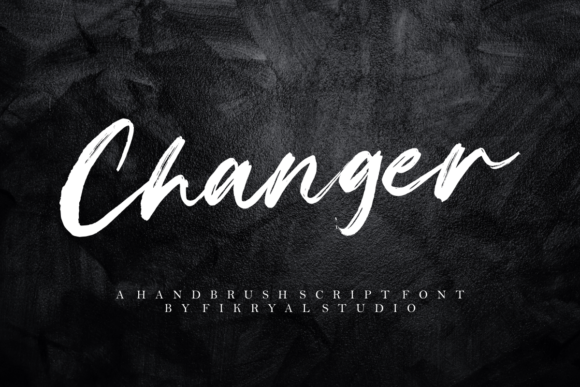
This is where Changer becomes relevant. As a beautiful brushed handwritten font featuring a lovely flow, it captures the spontaneity of ink on paper. The slight variations in stroke width and the natural connectivity between letters mimic the rhythm of actual handwriting. This aesthetic aligns perfectly with current consumer expectations for transparency and genuineness. When a brand uses a font like Changer, it signals approachability and care, suggesting that there are real people behind the logo or message. This psychological impact is crucial in building trust, whether you are launching a startup, planning a wedding, or creating content for social media.
Versatility Across Professional and Personal Projects
One of the most compelling aspects of Changer is its adaptability. Many handwritten fonts suffer from poor legibility or limited use cases, working well for headlines but failing in body text or small sizes. Changer, however, maintains a balance between artistic flair and readability, allowing it to shine in a diverse range of applications. Its versatility makes it a practical choice for professionals across various industries who need to add a personalized touch without sacrificing clarity.
Wedding and Event Stationery
The wedding industry has long been a stronghold for script fonts, but modern couples are moving away from overly formal, traditional calligraphy in favor of styles that reflect their unique personalities. Changer’s lovely flow makes it an ideal candidate for wedding invitations, save-the-dates, and place cards. It offers a romantic yet contemporary vibe that feels effortless rather than stiff. Furthermore, its application extends to thank you cards, where the handwritten aesthetic reinforces the sentiment of gratitude. Using a font that mimics natural writing enhances the emotional resonance of these keepsakes, turning them into cherished mementos rather than mere formalities.
Branding and Identity
For entrepreneurs and small business owners, establishing a distinct brand identity is critical. Logos and business cards serve as the first point of contact with potential clients. A logo designed with Changer can convey creativity, flexibility, and friendliness. This is particularly effective for businesses in lifestyle sectors such as photography, boutique retail, wellness coaching, or artisanal food production. In these fields, the personal connection between the provider and the client is a key selling point. By incorporating a brushed handwritten font into their visual identity, businesses can differentiate themselves from corporate competitors and appeal to customers who value bespoke experiences.
Digital Content and Social Media
In the fast-paced world of social media, stopping the scroll is the primary objective. Text overlays on images, quote graphics, and story highlights require typography that grabs attention quickly. Changer’s dynamic strokes create visual interest that static fonts often lack. When used for quotes or short inspirational messages, the font adds an layer of emphasis and emotion. Influencers, bloggers, and marketers can leverage this to increase engagement rates. The key is moderation; using Changer for key phrases while pairing it with a clean sans-serif for supporting text ensures that the design remains balanced and easy to read on small screens.
Integrating Changer into Modern Workflows
Adopting a new typeface is not just about aesthetics; it is also about workflow efficiency. Designers and non-designers alike need fonts that are easy to implement and compatible with standard software. Changer fits seamlessly into modern creative workflows, whether you are using professional tools like Adobe Illustrator and Photoshop or user-friendly platforms like Canva. Its OpenType features likely include ligatures and alternates, which allow users to customize the look of specific letter combinations to avoid repetitive patterns. This level of control is essential for maintaining a natural, non-mechanical appearance in longer texts or prominent headings.
For freelancers and agencies, having a reliable handwritten font in their toolkit reduces the time spent searching for the right typeface for each project. Instead of experimenting with multiple options, they can rely on Changer’s consistent quality. This efficiency translates to faster turnaround times for client deliverables, from greeting cards to packaging designs. Moreover, because the font is versatile, it can be reused across different mediums for the same client, ensuring brand consistency while adapting to different contexts.
Best Practices for Using Brushed Handwritten Fonts
While Changer is a powerful design tool, its effectiveness depends on how it is used. Overuse or improper pairing can lead to cluttered or illegible designs. To maximize the impact of this font, consider the following practical recommendations:
- Prioritize Legibility: Ensure that the text size is large enough for the brush strokes to remain distinct. Avoid using Changer for long paragraphs of body text, as the intricate details can become visually exhausting to read at small sizes.
- Create Contrast: Pair Changer with a simple, neutral sans-serif or serif font. This contrast allows the handwritten elements to stand out as focal points while the secondary font handles informational content. For example, use Changer for a headline and a clean sans-serif for the subheading.
- Mind the Spacing: Handwritten fonts often have unique kerning requirements. Adjust the tracking and leading to ensure that letters do not overlap awkwardly or appear too distant. The goal is to maintain the natural flow of the script while ensuring each character is recognizable.
- Use Color Strategically: Brushed fonts often look best in solid, high-contrast colors. While gradients can be tempting, they may obscure the texture of the brush strokes. Stick to deep blacks, navy blues, or rich earth tones to highlight the font’s organic qualities.
- Context Matters: Consider the tone of your message. Changer is excellent for friendly, romantic, or creative contexts. However, it may not be suitable for highly formal legal documents or technical manuals where authority and neutrality are required.
The Future of Personalized Typography
As technology advances, the line between digital and physical continues to blur. Augmented reality, personalized printing, and dynamic web design are creating new opportunities for expressive typography. Fonts like Changer are well-positioned to thrive in this environment because they embody the human element that technology often lacks. We are likely to see an increased demand for typefaces that offer variability and customization, allowing designers to tailor the look of their text to specific audiences or moments.
Furthermore, the trend towards sustainability and slow living influences design choices. Consumers are favoring brands that appear thoughtful and intentional. A handwritten font suggests a slower, more deliberate creation process, aligning with these values. Whether it is on eco-friendly packaging, a locally sourced product label, or a community event poster, Changer helps communicate a narrative of care and attention to detail.
In conclusion, Changer is more than just a font; it is a conduit for connection. Its beautiful brushed style and lovely flow offer a solution to the coldness of digital uniformity. By integrating this typeface into wedding invitations, branding materials, social media content, and everyday designs, creators can infuse their work with personality and warmth. As we move forward in an increasingly automated world, the value of authentic, human-centric design will only grow. Embracing tools like Changer allows professionals and hobbyists alike to stay ahead of the curve, creating visuals that not only look stunning but also resonate deeply with their audience.